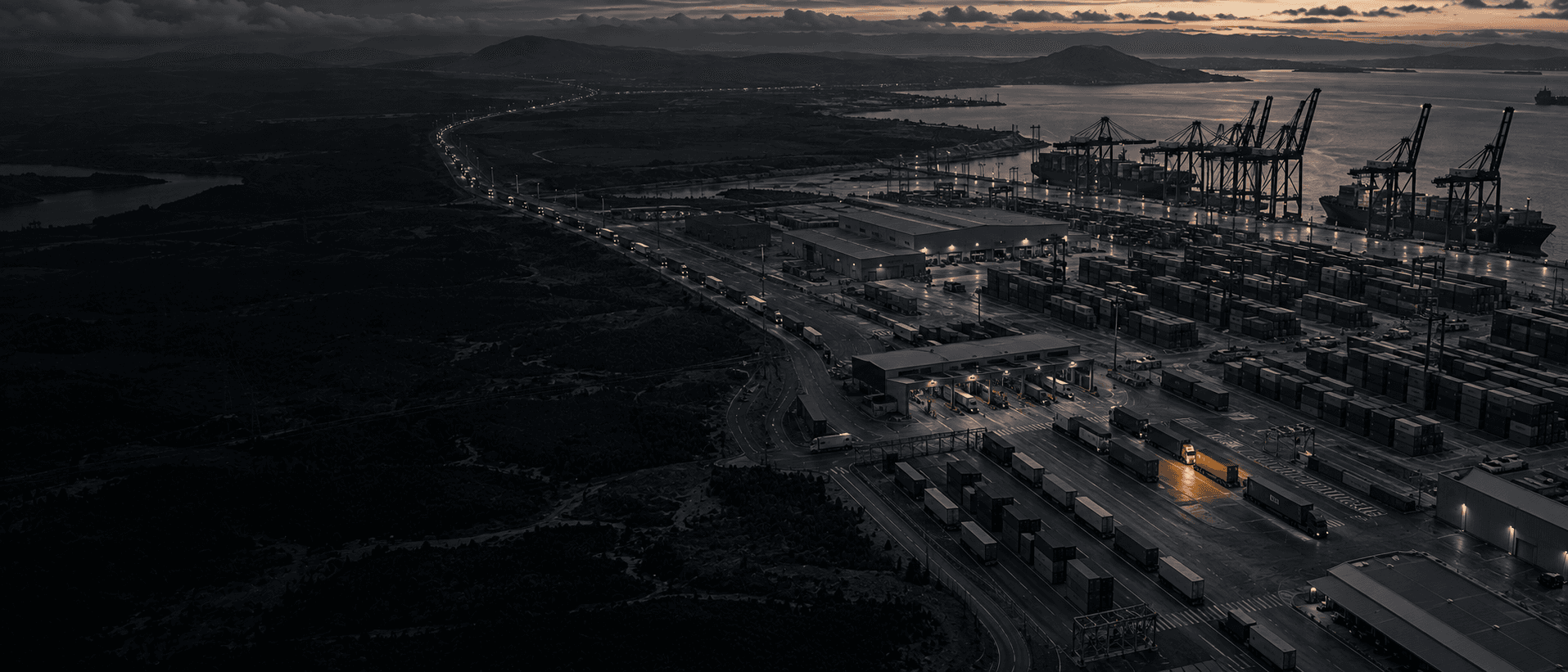
Your entire operation in a single view
Your operation produces data in many systems, and nobody looks at it together or keeps a record of what they see.
From observation to an auditable decision, in four steps.
We connect your sources
Cameras, GPS, access control, sensors, documents and satellite data are translated into a common model, with time, location and origin. Adding a source means adding an adapter, not rebuilding the system.
We detect and track
AI models and deterministic rules detect changes and presence, and follow each asset or event across the different sources.
We check against what was authorized
We compare what was observed against valid permits, concessions and limits. If the evidence is not enough, we report it as undetermined; we do not accuse.
A person decides
Every case arrives with its hypothesis, the evidence for and against, and a recommendation. An identified person decides, and everything can be reconstructed.
An exit with no record, from observation to decision.
Illustrative examples of how Argos is designed to handle a case. No single source solves it alone: the case appears when they are cross-checked.
The truck crosses the exit barrier
Access control records the exit through lane 2.
There is no associated weighing
A weighbridge record was expected for that visit. There is none.
Other sources confirm the identity
The lane camera and the truck's GPS agree on which vehicle it is.
Argos opens a case
Hypothesis: exit without weighing. It shows the evidence for and against: the weighbridge was working all night.
It proposes response options
Set by versioned policies: request a later weighing, alert the destination gate, or close with a justification.
A person decides
An identified supervisor reviews the evidence and picks an option. Who decided and what they saw is recorded.
The case can be reconstructed
What each source observed, what the system knew, what was recommended, what was decided and what happened next.

Wherever cargo, vehicles, aircraft, equipment or contractors come in, go out and move around.

Ports and terminals
Tracking of cargo and shipments between milestones, where common identifiers or sufficient rules exist to link each handover.

Airports
Aircraft, ground-support equipment and services across the milestones of apron operations, with rules to link each handover and a coverage warning when a camera or sensor is down.

Logistics and fleets
Vehicle visits between gate, weighbridge and dock: long waits, arrivals outside their window and exits with no record.
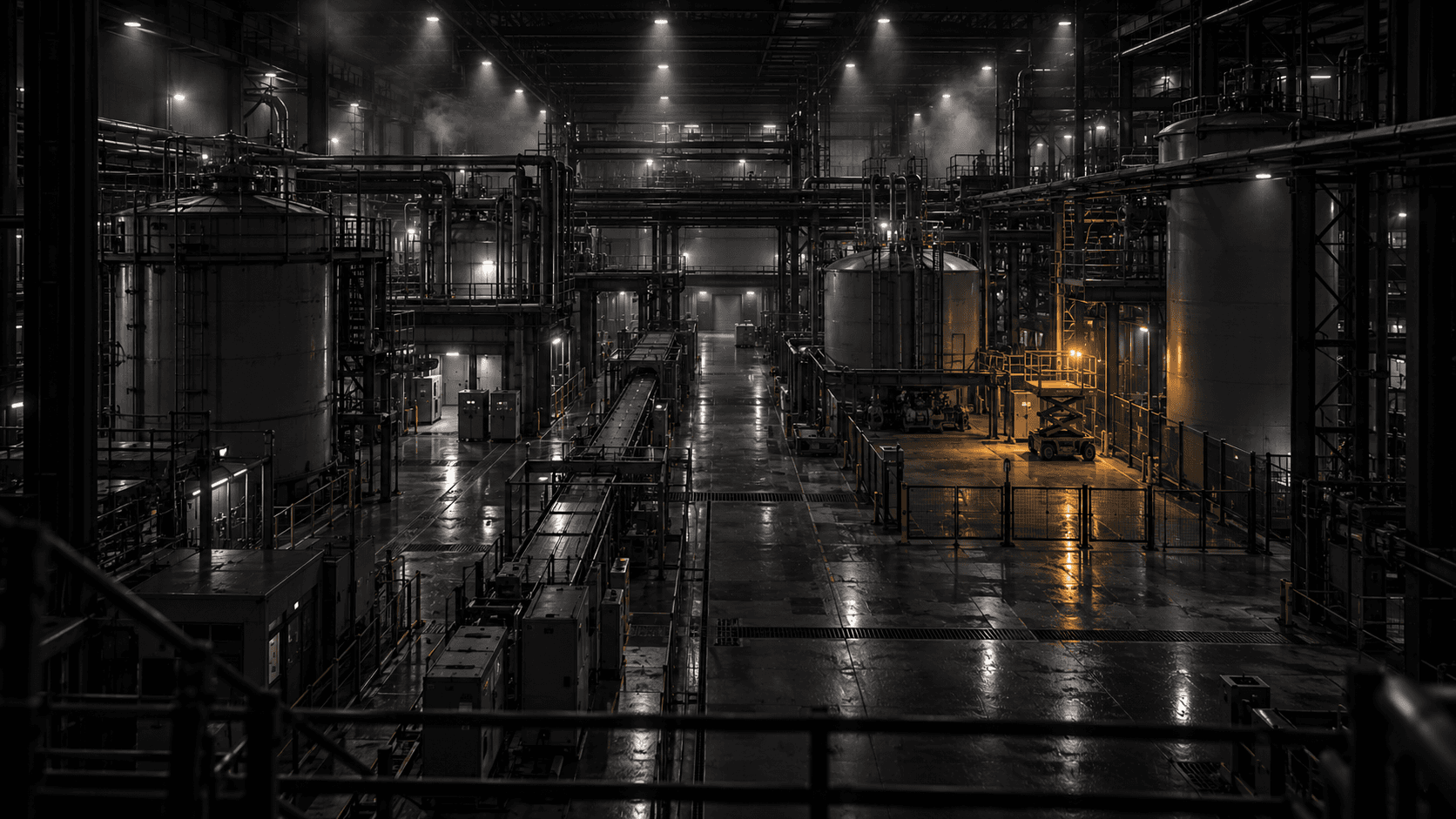
Industrial plants
People, equipment and materials across areas and shifts. Presence in restricted areas checked against valid permits, and discrepancies between what the systems record and what is observed.

Contractors and works
Presence and dwell time of equipment and crews checked against work orders, permits and time windows. Location alone does not prove that work was carried out.
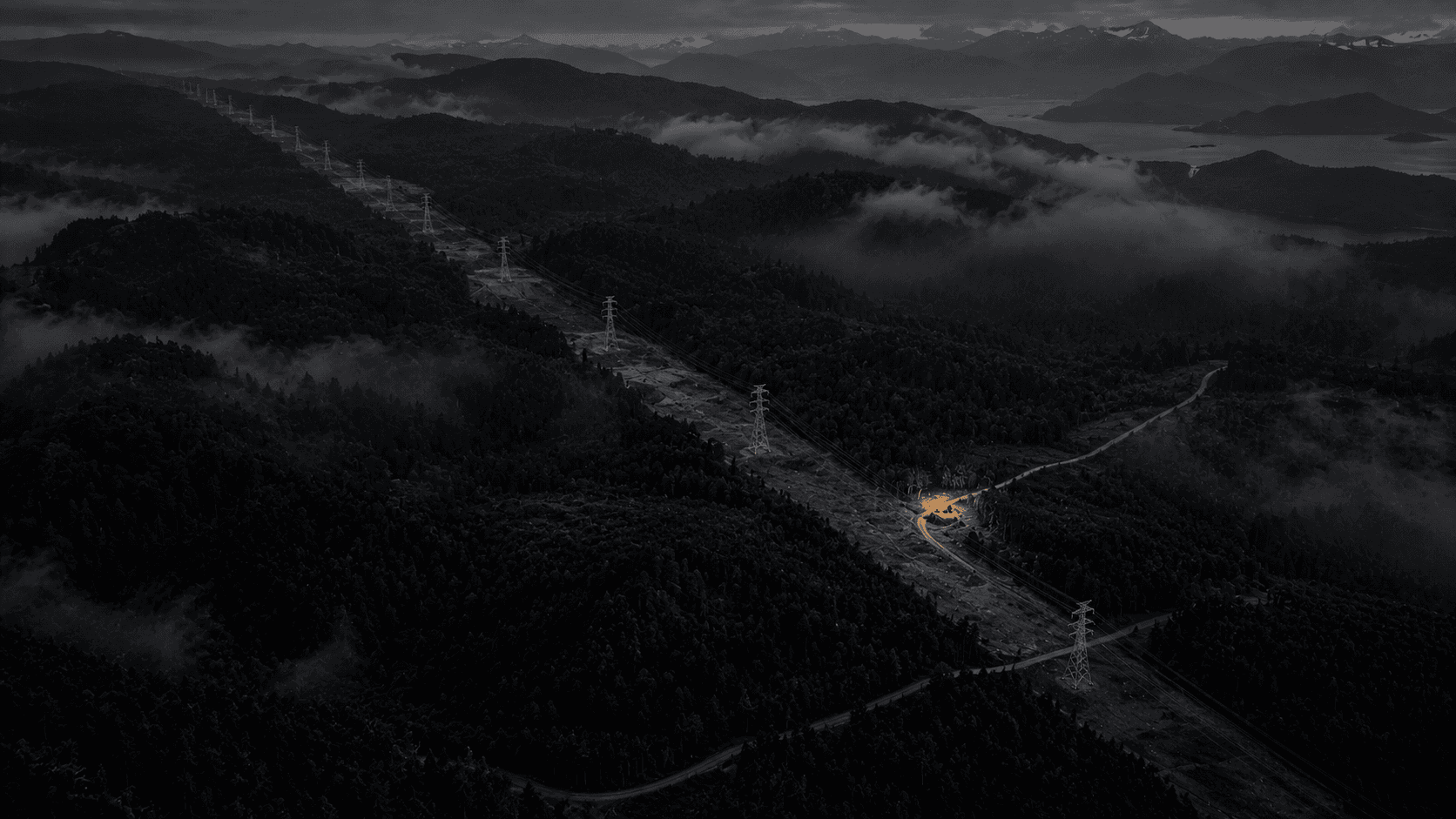
Mining, forestry and energy
Physical changes, third-party activity and fires across the territory, where a validated detector exists for the area. Today it is calibrated for mining fronts in the Amazon.
They are applications of a single core, not separate products.
It connects to what you already have.
Every source is translated into a common model. Adding a source means adding an adapter, not rebuilding the system.
AI recommends. A person decides. Your data stays with you.
- What is observed, what is interpreted and what is decided are stored separately.
- Without enough evidence, Argos abstains: undetermined, never an accusation.
- A source that goes down means insufficient coverage, never “all clear”.
- A connector inside your network, read-only, with no production connection without your authorization.
- Video and sensitive data can stay on your premises.
- Data isolated between customers, with role-based permissions and access logs.
Fewer alerts, more cases you can decide and defend.
First we understand your operation, then we connect.
Technical assessment
We review your systems, permits and data quality, and define which sources get connected.
Focused pilot
One concrete flow, with a read-only connector, on your real data.
Operation
Sources and sites are added; every integration is validated before it goes live.
What people usually ask before a demo.
Does it replace my systems?
No. Argos connects on top of the systems you already have. It does not replace or shut them down.
Does the AI decide?
No. AI recommends; an identified person decides. An important part of the system runs on deterministic rules, and each model declares its domain of validity and abstains outside it.
What happens if a camera or sensor goes down?
Argos reports it as insufficient coverage, never as “all clear”. The absence of a detection does not mean the absence of the event.
Where does my data stay?
Sensitive data, such as video, can stay on your premises. Each customer's data is isolated, with role-based permissions and access logs.
Does it work as legal evidence?
Case files are prepared for review, with full traceability. Whether a regulator or a court accepts them depends on each jurisdiction and is not guaranteed by the software.
Does it work in real time?
Argos works at the latency of each source: continuous streaming, near real time or periodic processing. A daily file does not become real time by entering Argos.
How long does it take to get running?
It depends on your systems, providers, permits and data quality. Timelines are estimated after the technical assessment.
Let's talk about your operation, no strings attached.
Tell us what operation you need to watch and which systems you have, and we'll show you how Argos would apply.